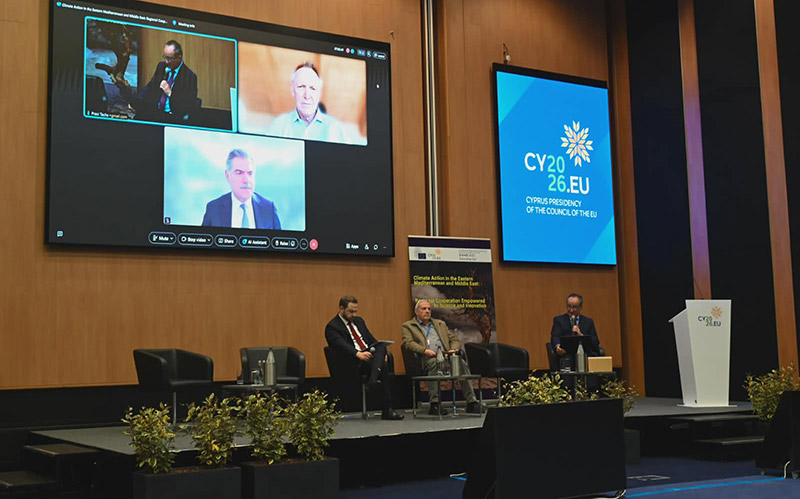
Balamand, Lebanon – April 2026 — The University of Balamand (UOB) took part in the international conference “
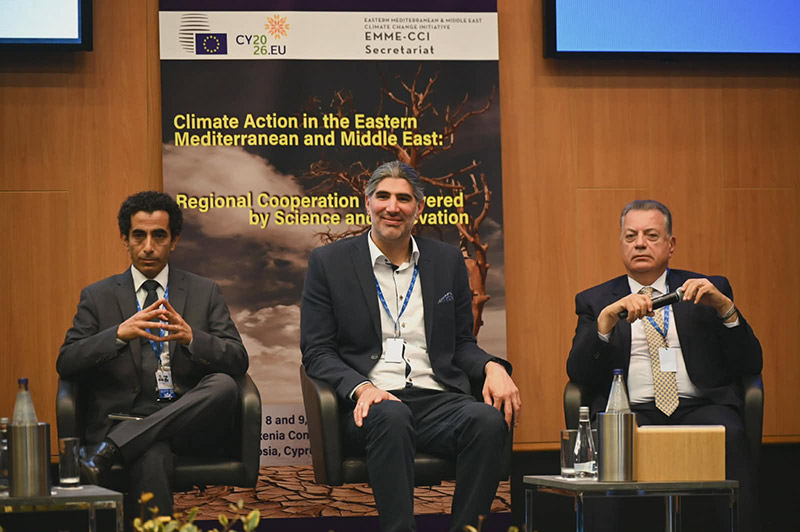
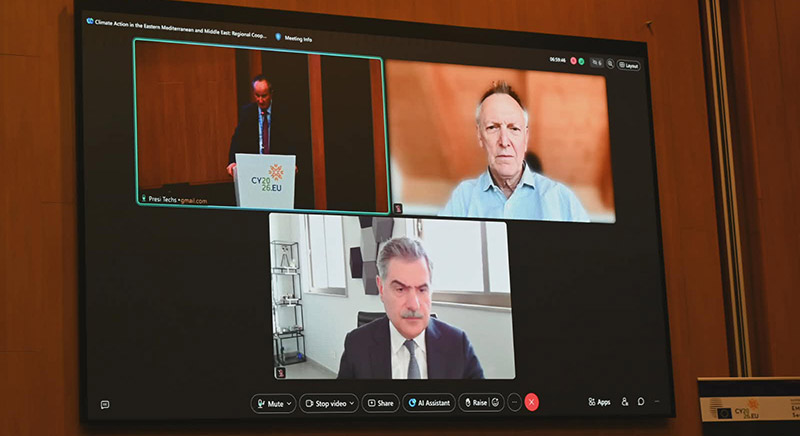
Climate Action in the Eastern Mediterranean and Middle East: Regional Cooperation Empowered by Science and Innovation,” held on April 8–9, 2026 in Nicosia, Cyprus, under the auspices of the Cyprus Presidency of the Council of the European Union.
The conference convened high-level policymakers, scientists, and institutional leaders from across the Eastern Mediterranean and Middle East (EMME) region to address the growing challenges of climate change and to advance science-based regional cooperation. The discussions highlighted the urgent need for coordinated action across interconnected sectors including water, energy, food systems, health, and infrastructure.
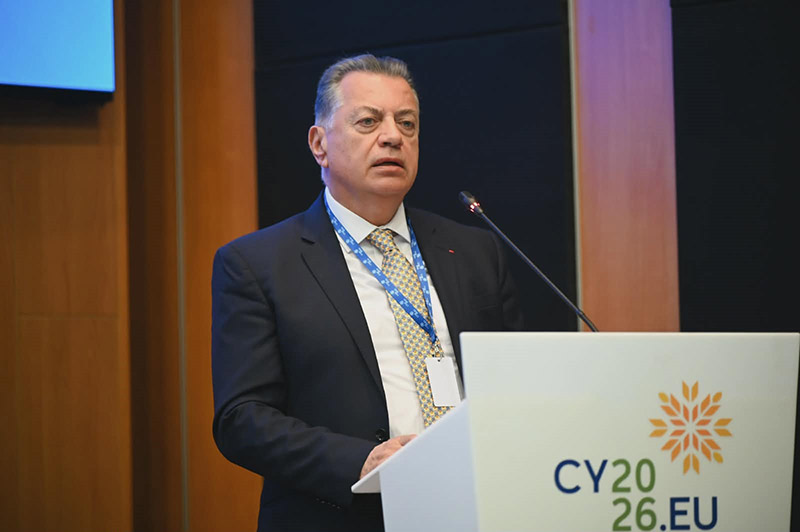
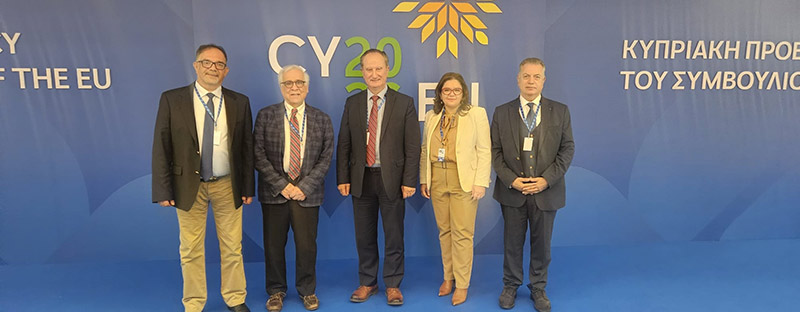
UOB was represented by its President, Dr. Elias L. Warrak, and Professor Fadi Comair, Senior Executive Advisor to the President for Strategic Sustainability and Global Development. Their participation reflects UOB’s continued commitment to advancing climate diplomacy, sustainability, and regional cooperation.
Professor Comair chaired the conference panel on Water Resilience, Resources, and Management, where discussions underscored the critical role of water security as a foundation for regional stability, peace, and human dignity. The panel emphasized the importance of integrated approaches such as the Water-Energy-Food-Ecosystems (WEFE) Nexus, strengthened hydro-diplomacy, and the protection of critical water infrastructure in the face of increasing climate and geopolitical pressures.
A key outcome of the conference was the adoption of the Nicosia Call for Climate Action, a strategic framework aimed at fostering regional cooperation through science and innovation. The Call outlines priority areas including empowering communities, strengthening scientific collaboration, enhancing governance and financing mechanisms, and promoting partnerships through science diplomacy.
In this context, UOB formally expressed its full endorsement of the Nicosia Call. In an official statement, President Warrak described the initiative as “a balanced, forward-looking, and timely contribution to regional and international climate action efforts,” reaffirming the University’s readiness to support its dissemination and implementation.
The University also contributed to the broader policy dialogue through recommendations emphasizing the role of science diplomacy in fostering peace and stability, the need for integrated responses to regional risks, and the importance of building sustainable platforms for long-term cooperation and capacity development.
Through its participation, UOB reinforces its position as a key academic and policy partner in advancing sustainable development and climate resilience across the region.